What Are Managed Helpdesk Services?
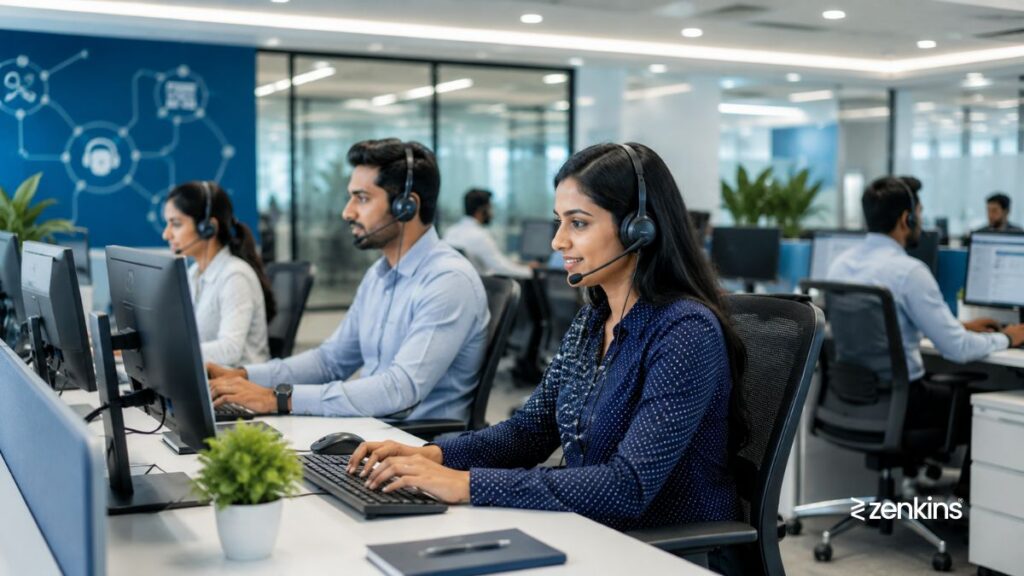
Managed helpdesk services refer to comprehensive, vendor-operated IT support solutions where a third-party provider takes full responsibility for setting up, running, and maintaining the entire helpdesk function. These services are typically delivered under a Managed Services model, meaning the provider handles everything — from support staff and tools to workflows, SLAs, and ongoing improvements.
Unlike outsourced support, which may focus solely on manpower, managed helpdesk services deliver a complete solution with proactive management, performance reporting, and long-term partnership.
Key Features of Managed Helpdesk Services
- End-to-End Ownership
Vendors handle infrastructure, software, support agents, ticketing systems, and SLA compliance. - Multi-Tier Support (L1–L3)
Coverage for everything from basic queries to complex issue resolution. - Customizable SLA Agreements
Clearly defined response and resolution times based on business needs. - 24/7/365 Support Availability
Round-the-clock helpdesk to support global teams or customer bases. - Proactive Monitoring & Reporting
Regular audits, ticket trend analysis, and performance metrics shared with clients. - Branded or Co-Branded Services
Operates under your brand identity for a seamless end-user experience.
Benefits of Managed Helpdesk Services
- Simplified IT Operations
Offload day-to-day IT support and focus on strategic growth. - Predictable Costs
Fixed monthly or annual pricing based on SLAs and usage. - Faster Ticket Resolution
Trained teams, proven processes, and automation improve response times. - Scalability
Easily adjust support volume and coverage as your business grows. - Better User Experience
Consistent, professional support improves employee and customer satisfaction.
What’s Typically Included in Managed Helpdesk Services?
- Ticketing system setup and management
- Tier 1, Tier 2, and Tier 3 support agents
- Asset and incident management
- Onboarding/offboarding assistance
- Helpdesk documentation and knowledge base
- Remote desktop and device troubleshooting
- SLA tracking and performance reporting
- End-user training and self-service portals
Who Should Use Managed Helpdesk Services?
- SMBs without internal IT teams
- Enterprises scaling support across regions
- Startups needing quick, cost-effective support setup
- Companies with remote or hybrid teams
- Organizations focused on security, compliance, and uptime
Platforms Commonly Used in Managed Helpdesk Setups
- Freshdesk – Cloud-based platform with automation and SLA workflows
- Zendesk – Omnichannel ticketing system for internal and external users
- ServiceNow – Enterprise ITSM platform with advanced analytics
- Zoho Desk – Affordable, flexible tool for managed helpdesk providers
Final Thoughts
Managed helpdesk services offer a full-spectrum solution for organizations looking to provide professional, consistent, and scalable IT support without building an in-house team. From setup to optimization, a trusted managed helpdesk provider ensures your users get timely support — while you focus on business priorities.