
Table of Contents
Introduction: The Paperwork Problem in Manufacturing
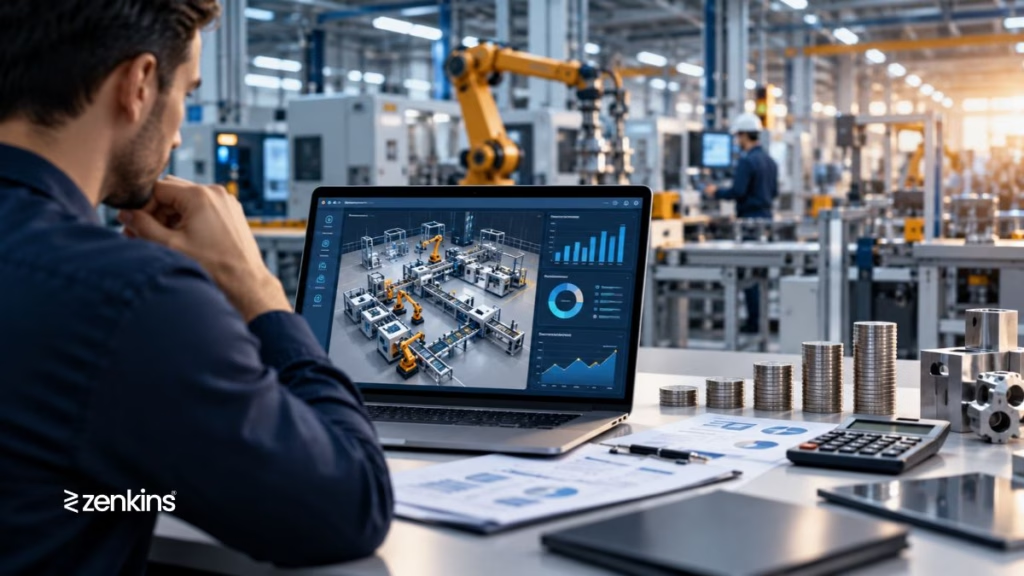
Manufacturing units are known for their fast-paced, high-risk, and highly regulated environments. Safety, compliance, and efficiency go hand-in-hand to ensure smooth operations. But one area that continues to slow down processes is the paper-based work permit system.
Work permits are essential for controlling high-risk activities like hot work, electrical maintenance, confined space entry, and chemical handling. Traditionally, these permits are issued, signed, and tracked using paper forms. While this method has been the norm for decades, it often creates bottlenecks—delays in approvals, misplaced documents, and lack of real-time visibility.
That’s where Work Permit Digitalization in Manufacturing comes in. By shifting from paper to digital systems, manufacturing managers can ensure faster approvals, stronger compliance, and safer operations—all while saving valuable time.
What is Work Permit Digitalization in Manufacturing?
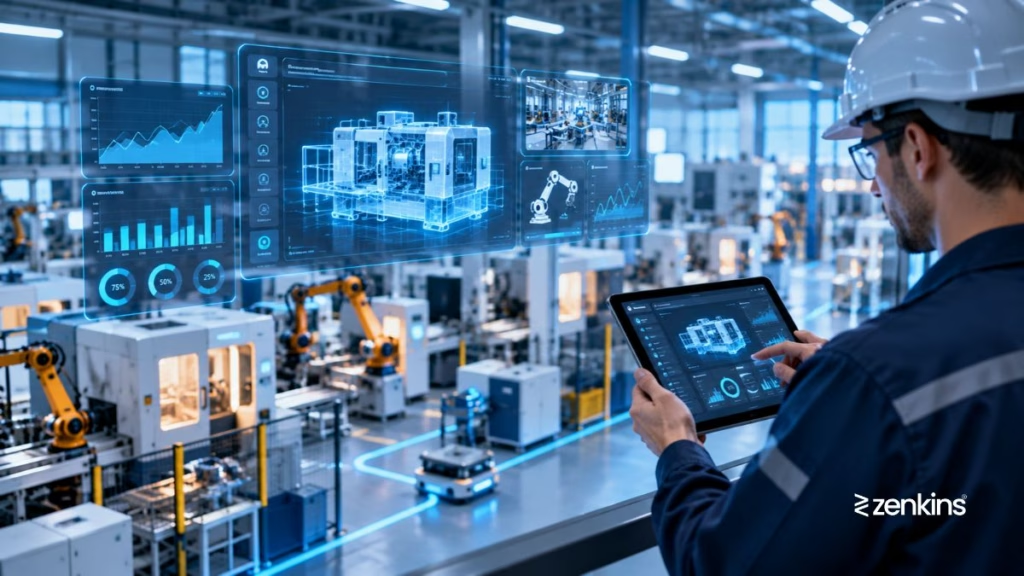
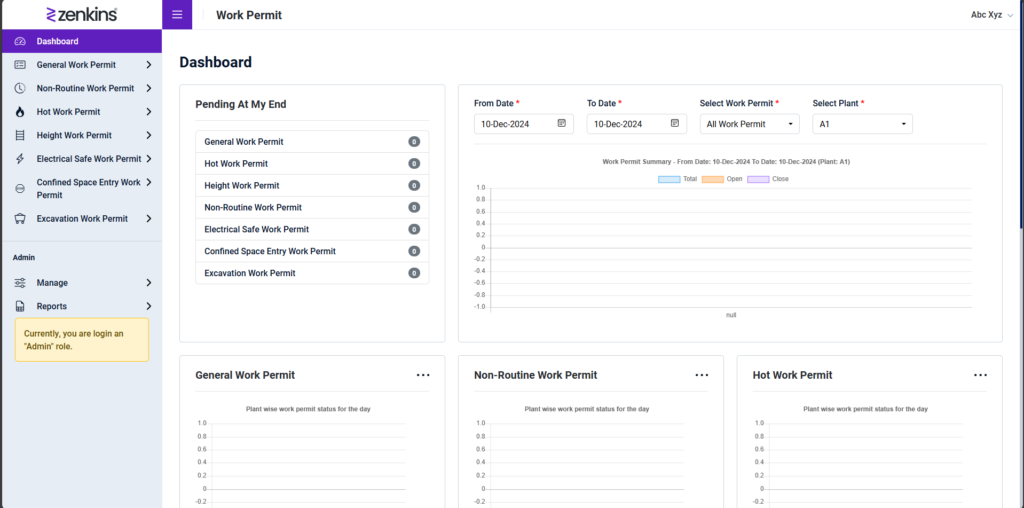
Work Permit Digitalization in Manufacturing refers to replacing paper-based permit-to-work (PTW) systems with cloud-based or software-driven solutions. Instead of relying on manual signatures, paper files, and physical records, permits are created, approved, tracked, and archived digitally.
Key features of digital work permit systems include:
- Online permit request and approval workflows
- Real-time notifications and reminders
- Integration with safety checklists and compliance rules
- Secure digital records for audits and inspections
- Mobile access for supervisors and workers on the shop floor
This shift transforms how manufacturing managers handle operational safety and compliance, making processes not only faster but also more transparent and reliable.
The Challenges of Paper-Based Work Permit Systems
Before exploring the benefits of digitalization, let’s understand why traditional paper permits are no longer efficient for modern manufacturing units:
1. Time-Consuming Approvals
Managers and supervisors often spend hours signing off paper permits. If someone is unavailable, approvals get delayed, stalling maintenance or production work.
2. Risk of Lost or Misplaced Documents
Paper permits can be lost, damaged, or filed incorrectly, making it difficult to maintain a reliable compliance trail.
3. Lack of Real-Time Visibility
With paper-based systems, managers cannot instantly track the status of permits or see who is authorized for a specific task in real time.
4. Manual Errors and Non-Compliance
Incomplete checklists, missing signatures, or skipped safety steps can put worker safety and compliance at risk.
5. High Administrative Burden
Printing, storing, and retrieving physical documents adds unnecessary costs and consumes valuable administrative time.
These challenges underline the need for Work Permit Digitalization in Manufacturing as a strategic step toward efficiency and compliance.
Benefits of Work Permit Digitalization in Manufacturing
1. Improved Compliance and Audit Readiness
Compliance with OSHA, ISO, and other industry safety regulations is easier with digital permits. Every action—from request to approval—is logged digitally, creating an unalterable audit trail. This means managers no longer need to worry about missing documents during inspections.
2. Faster Approvals and Reduced Downtime
Digital workflows enable instant approvals from managers and supervisors, even remotely. This reduces downtime caused by waiting for signatures, allowing maintenance and operations to continue without unnecessary delays.
3. Enhanced Safety Controls
Digital permits can integrate with checklists and risk assessment tools to ensure all safety protocols are followed before approval. Workers receive real-time alerts about safety conditions, minimizing risks.
4. Real-Time Tracking and Transparency
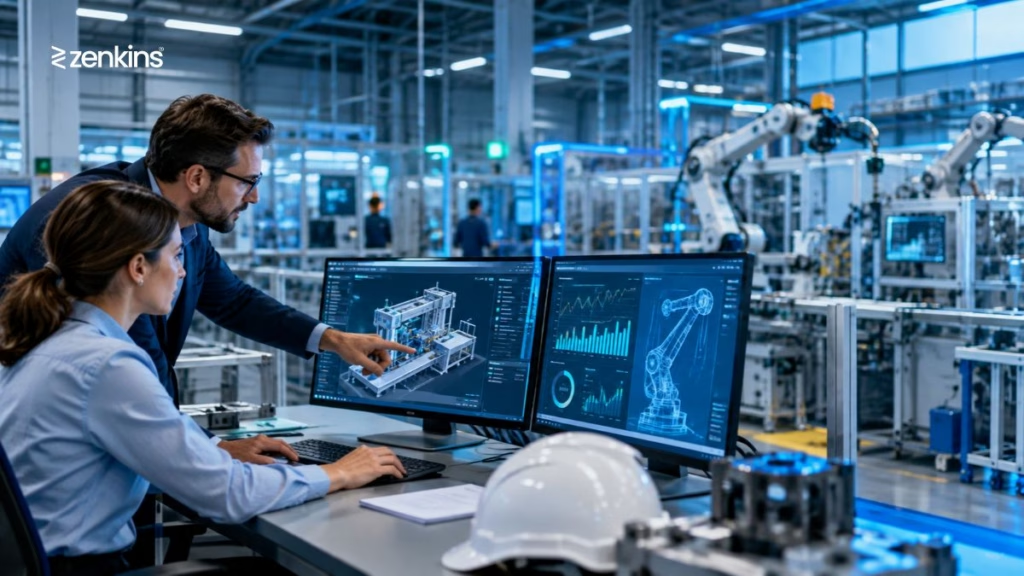
Managers gain complete visibility into who is working on what, which permits are active, and whether compliance measures are in place. This transparency reduces miscommunication and enhances coordination across teams.
5. Cost Savings on Administration
By eliminating printing, storage, and manual filing, manufacturers save significantly on administrative overhead. Additionally, fewer errors mean fewer penalties or fines for non-compliance.
6. Better Data Insights and Reporting
Digital systems collect valuable data over time. Managers can analyze trends such as which types of work require the most permits, where delays occur, and how safety performance is improving.
Use Cases of Work Permit Digitalization in Manufacturing
Let’s look at some real-world applications where Work Permit Digitalization in Manufacturing makes a measurable impact:
- Hot Work Permits: Automatically ensure fire safety protocols and fire watch assignments before welding or cutting activities begin.
- Confined Space Entry Permits: Digitally track oxygen level checks, safety attendants, and rescue readiness.
- Electrical Work Permits: Enforce lockout-tagout (LOTO) procedures and ensure only authorized personnel perform high-voltage tasks.
- Maintenance and Shutdown Permits: Simplify permit management during large-scale plant shutdowns where hundreds of permits may need to be tracked simultaneously.
By digitalizing these processes, manufacturers create safer workplaces while reducing the administrative load on managers.
How to Implement Work Permit Digitalization in Manufacturing
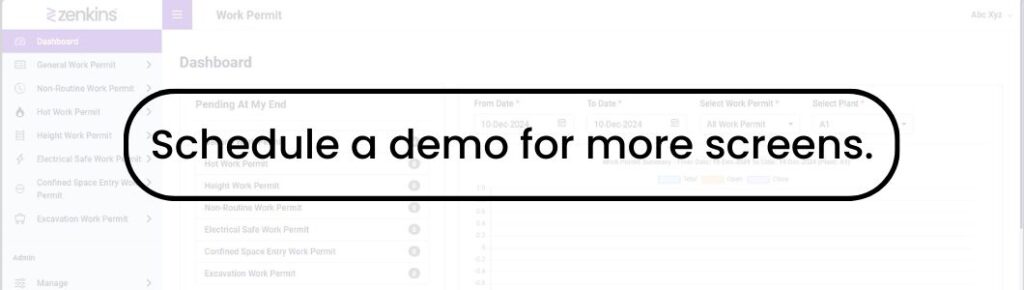
Transitioning from paper to digital systems requires careful planning. Here’s a step-by-step guide:
Step 1: Assess Current Processes
Map out your existing work permit workflows. Identify pain points such as delays, errors, or compliance risks.
Step 2: Choose the Right Digital Work Permit Solution
Look for solutions that offer:
- Cloud-based accessibility
- Integration with existing manufacturing software (ERP, EHS, CMMS)
- Mobile compatibility for shop floor use
- Strong data security and compliance features
Step 3: Involve Stakeholders Early
Engage supervisors, safety officers, and frontline workers during the planning stage. Their feedback ensures smoother adoption.
Step 4: Pilot the System
Start with a small department or type of work permit. Monitor performance, gather feedback, and make adjustments before a full rollout.
Step 5: Train Staff
Provide hands-on training to ensure everyone understands how to use the new system effectively.
Step 6: Monitor, Optimize, and Scale
Continuously analyze system data to identify bottlenecks, improve workflows, and scale digitalization across the entire plant.
Overcoming Challenges in Digital Work Permit Adoption
While the benefits are clear, managers may face certain challenges during digitalization. Here’s how to address them:
- Resistance to Change: Communicate the benefits to employees and provide strong training programs.
- Budget Concerns: Emphasize the long-term ROI of compliance, reduced downtime, and administrative savings.
- Integration with Legacy Systems: Partner with experienced digital transformation providers like Zenkins to ensure seamless integration.
- Data Security: Choose solutions with strong encryption and secure cloud infrastructure.
Why Zenkins is the Right Partner for Work Permit Digitalization in Manufacturing
At Zenkins, we specialize in helping manufacturing companies transition from outdated manual systems to modern digital platforms. Our expertise lies in:
- Custom Software Development: Tailored digital work permit solutions designed around your specific workflows.
- Integration Capabilities: Seamless connectivity with ERP, EHS, CMMS, and other enterprise systems.
- Mobile-First Solutions: Empowering supervisors and workers to access permits anywhere, anytime.
- Compliance-Ready Design: Built-in regulatory standards for safety and audit readiness.
- Scalable Digital Transformation: From a single unit to multiple plants, we help manufacturers scale digital solutions effectively.
Zenkins isn’t just a software vendor—we’re a strategic partner in your digital transformation journey, ensuring that your work permit processes are safer, faster, and fully compliant.
Future of Work Permit Digitalization in Manufacturing
The future of Work Permit Digitalization in Manufacturing lies in smarter, AI-driven systems that go beyond digital records:
- AI-Powered Risk Prediction: Identifying potential hazards before they occur based on permit data trends.
- IoT Integration: Connecting sensors for confined space monitoring, gas detection, and machine status directly to digital permits.
- Blockchain for Compliance: Immutable permit records for enhanced transparency and trust.
- Voice-Enabled Approvals: Hands-free permit requests and approvals for operators in the field.
By adopting digital work permit systems today, manufacturers prepare themselves for these innovations and stay ahead of the competition.
Conclusion
In an industry where safety, compliance, and efficiency are non-negotiable, Work Permit Digitalization in Manufacturing is no longer optional—it’s essential. Moving away from paper-based systems ensures:
- Faster approvals and reduced downtime
- Stronger compliance and audit readiness
- Improved worker safety and transparency
- Significant cost and time savings
For manufacturing managers, this digital shift isn’t just about technology—it’s about building a safer, smarter, and more efficient workplace.
At Zenkins, we help manufacturing companies unlock these benefits with tailor-made digital work permit solutions. If you’re ready to replace paper-based systems and embrace digitalization, let’s talk.
🚀 Ready to enhance safety in your manufacturing plant?
Explore Zenkins’ Work Permit Software and schedule a demo today!